Things to do in Berlin 2026
Berlin is Europe's most restless and reinvented capital — a vast, green, low-rise city where Cold War history sits beside cutting-edge art, world-famous techno clubs run until Monday morning, and a creative, anything-goes spirit pervades every district. No other major European city wears its turbulent 20th century quite so visibly, or transforms it so thoroughly into culture.
Quick answer
Berlin is Europe's most restless and reinvented capital — a vast, green, low-rise city where Cold War history sits beside cutting-edge art, world-famous techno clubs run until Monday morning, and a creative, anything-goes spirit pervades every district. No other major European city wears its turbulent 20th century quite so visibly, or transforms it so thoroughly into culture.
In 2026 the calendar spans the whole year. The Berlinale — one of the world's big-three film festivals — fills February with red carpets and premieres; the Karneval der Kulturen turns Kreuzberg into a vast multicultural street parade at Whitsun; and every autumn the Festival of Lights illuminates the city's landmarks for a fortnight of after-dark spectacle.
Top Berlin events in 2026
- See the live calendar above for confirmed 2026 dates — the listings auto-populate from the events we track for Berlin.
- Berlinale (February) — the Berlin International Film Festival, one of the world's most prestigious, with public screenings across the city.
- Karneval der Kulturen (Whitsun / late spring) — Berlin's huge multicultural street carnival, centred on Kreuzberg.
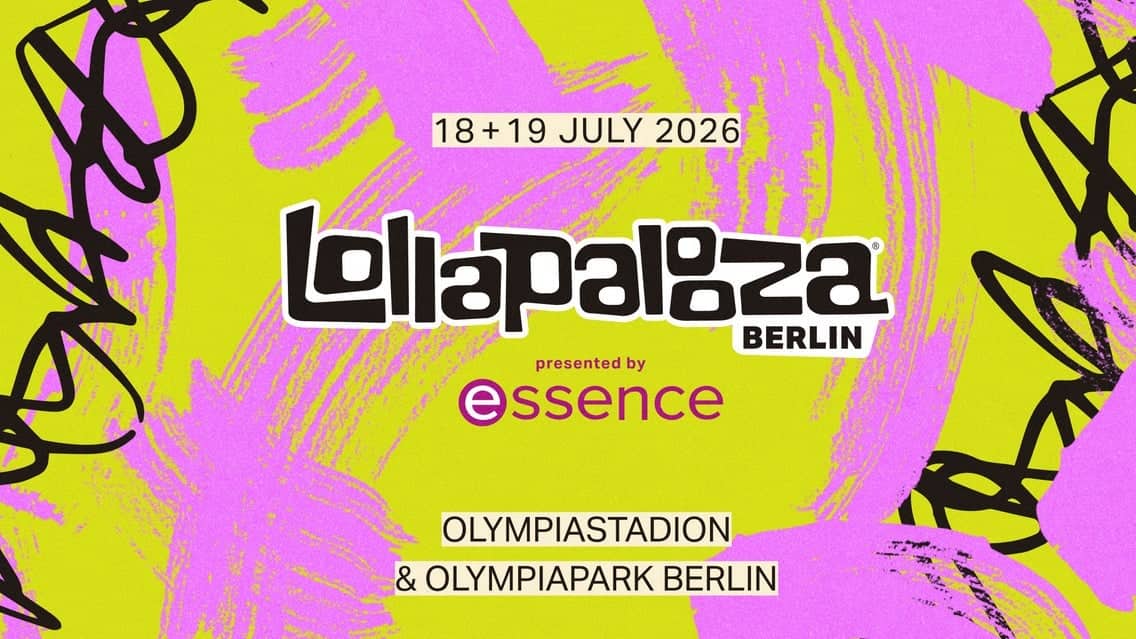
- Lollapalooza Berlin (September) — the German edition of the global music festival, a major open-air event.
- Festival of Lights (October) — a fortnight of spectacular light-art projections onto the Brandenburg Gate, the cathedral and other landmarks.
- Christmas markets (late November–December) — dozens of Weihnachtsmärkte across the city, from Gendarmenmarkt to Charlottenburg Palace.
What to see in Berlin — top sights
- Brandenburg Gate — the neoclassical 18th-century arch that is the symbol of Berlin and of German reunification.
- Museum Island — the UNESCO-listed ensemble of five world-class museums on the Spree, including the Pergamon and the Neues Museum.
- East Side Gallery — the longest surviving stretch of the Berlin Wall, painted as a 1.3 km open-air mural gallery.
- Reichstag building — the German parliament, crowned by Norman Foster's glass dome (free to visit with advance booking).
- Berlin TV Tower (Fernsehturm) — the 368 m landmark at Alexanderplatz, with a viewing deck and revolving restaurant.
- Checkpoint Charlie and the Berlin Wall Memorial — the key Cold War sites tracing the city's division.
- Memorial to the Murdered Jews of Europe — Peter Eisenman's field of 2,711 concrete stelae near the Brandenburg Gate.
- Charlottenburg Palace — Berlin's largest baroque palace, with ornate state rooms and formal gardens.
- Berlin Cathedral (Berliner Dom) and the Gendarmenmarkt — the grand domed cathedral and the city's most beautiful square.
- Tiergarten and the Victory Column (Siegessäule) — the city's great central park and its golden-angel landmark.
Why visit Berlin
Berlin is unmatched for the depth and immediacy of its history — the Wall, the Cold War, the Holocaust memorials and the reunification story are all present on the streets, told through outstanding museums and monuments. Yet it is just as compelling as a living, creative city: a global capital of contemporary art, design and especially nightlife, with a club scene that is genuinely world-famous.
It is also remarkably affordable and easy for visitors, with cheap food, an excellent U-Bahn and S-Bahn network, vast parks and a relaxed, tolerant atmosphere. Distinct neighbourhoods — Mitte, Kreuzberg, Friedrichshain, Prenzlauer Berg, Neukölln — each have their own character, making Berlin a city that rewards repeat visits and long, unhurried exploration.
FAQ
- What is there to do in Berlin in 2026?
- Year-round highlights are the Brandenburg Gate, Museum Island, the East Side Gallery, the Reichstag dome and the TV Tower. For 2026 events, look out for the Berlinale film festival in February, the Karneval der Kulturen at Whitsun, Lollapalooza Berlin in September and the Festival of Lights in October.
- When are the big festivals in Berlin?
- The Berlinale is in February, the Karneval der Kulturen is at Whitsun (late spring), Lollapalooza Berlin is in September, and the Festival of Lights runs for about two weeks in October. The famous Christmas markets open from late November.
- How do I get from Berlin airport to the city centre?
- Berlin Brandenburg Airport (BER) is about 18 km from the centre. The Airport Express (FEX) and the S-Bahn (S9/S45) connect the airport to the city, with the FEX reaching Berlin Hauptbahnhof in roughly 30 minutes. Regional trains and taxis are also available.
- Is the Reichstag dome free to visit?
- Yes — entry to the Reichstag glass dome is free, but you must register in advance through the Bundestag's official website, as security and visitor numbers are tightly managed. Book as early as you can.
- Is Berlin easy to get around?
- Very — Berlin has one of the best public-transport systems in Europe, combining the U-Bahn, S-Bahn, trams and buses on a single ticket. The city is large and spread out, so most visitors rely on transit rather than walking between districts.