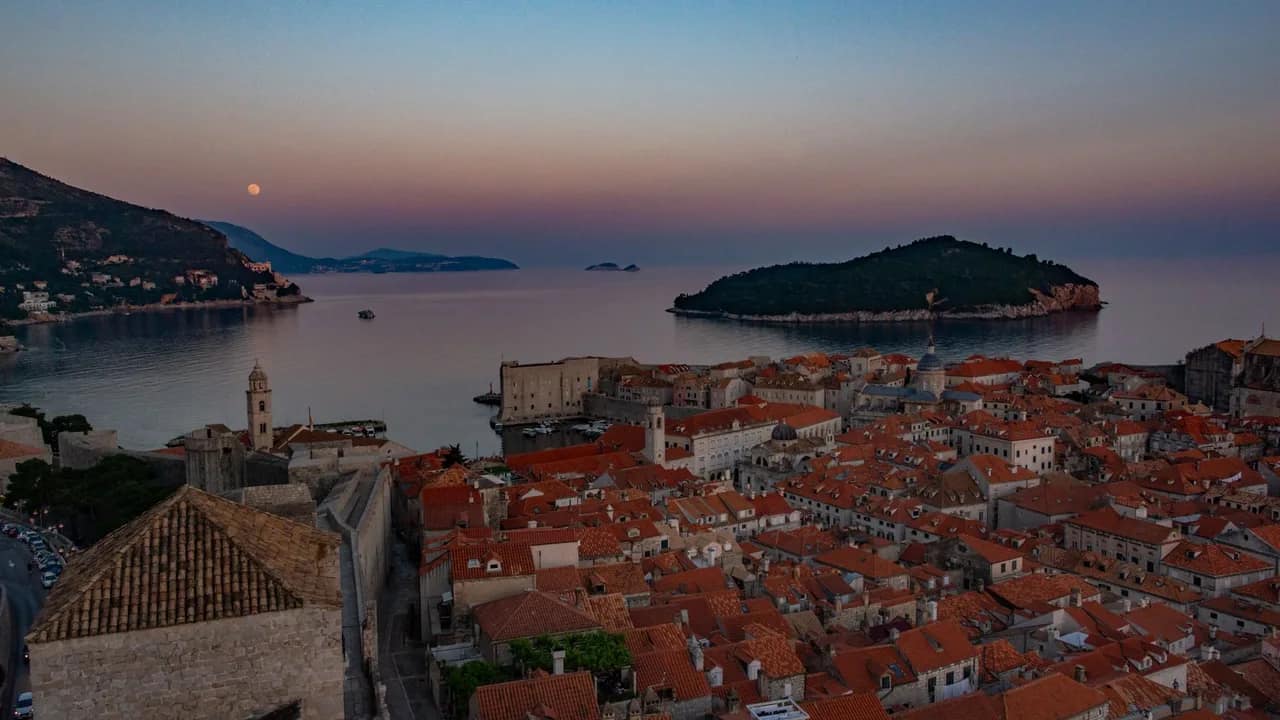
Dubrovnik Summer Festival 2026 guide
שיתוף
The Dubrovnik Summer Festival — Libertas in full — is Croatia's flagship cultural festival and one of the oldest in Europe, running each year from 10 July to 25 August. For six and a half weeks it stages theatre, classical music, opera, ballet and folklore against the backdrop of Dubrovnik's UNESCO-listed Old Town, using the city itself as a stage.
בעמוד זה
תשובה מהירה
There is no single auditorium. Performances unfold in extraordinary open-air settings: the Lovrijenac fortress rising from the sea, the courtyards of the Rector's Palace and Sponza Palace, the limestone expanse of Stradun, churches and cloisters within the walls. It is theatre and music woven into one of the most beautiful cities on the Adriatic.
The programme — the line-up of plays, concerts and venues — is published by the festival ahead of each edition. Marquee nights, especially drama at Lovrijenac and orchestral concerts, sell out, so confirm the schedule and book on the official Dubrovnik Summer Festival site as soon as it is released.
The festival at a glance
- When: 10 July to 25 August 2026 — a six-and-a-half-week programme
- Where: across Dubrovnik's Old Town — Lovrijenac fortress, Rector's Palace, Sponza Palace, Stradun, churches and cloisters
- Programme: theatre, classical music, opera, ballet and folklore
- Heritage: founded in 1950, one of Europe's longest-running cultural festivals
- Tickets: through the official festival box office; top productions sell out
The Old Town as a stage
The festival's signature is its venues. Fort Lovrijenac — the "Gibraltar of Dubrovnik" perched on a rock outside the western wall — is the legendary setting for Shakespeare's Hamlet and other drama, with the sea below and the city walls behind. The Rector's Palace atrium hosts intimate chamber and orchestral concerts; Stradun, the polished limestone main street, becomes a vast open stage for ceremonial and ensemble performances.
Programmes mix Croatian and international companies, classical repertoire and contemporary work. Even if you are not a regular theatre-goer, an evening under the floodlit walls is one of the great cultural experiences on the Adriatic — book early, as the most atmospheric venues have limited capacity.
Getting there and tickets
Dubrovnik Airport (DBV) is about 20 km south of the city, with summer connections across Europe and a regular airport bus to the Old Town. Within the walls everything is walkable; the festival venues are all inside or just outside the Old Town.
Tickets are sold through the official Dubrovnik Summer Festival box office and authorised outlets, usually once the programme is announced in spring. Combine the festival with the city walls, a cable-car trip up Mount Srđ and a day on the Elaphiti Islands to make a full trip of it.
FAQ
- When is the Dubrovnik Summer Festival 2026?
- The Dubrovnik Summer Festival runs from 10 July to 25 August 2026, the same six-and-a-half-week window it keeps each year. The full programme of dates and performances is published ahead of the edition — check the official site and our event page before booking.
- What kind of events does the festival include?
- It is a multi-genre cultural festival of theatre, classical music, opera, ballet and folklore, staged in open-air venues across Dubrovnik's Old Town and fortresses rather than in a single hall.
- Where are performances held?
- Across the Old Town: the Lovrijenac fortress, the Rector's Palace and Sponza Palace courtyards, Stradun, and various churches and cloisters within the city walls. Each venue suits a different type of performance.
- How do I get tickets?
- Tickets are sold through the official Dubrovnik Summer Festival box office and authorised outlets once the programme is released, usually in spring. The most atmospheric venues have limited capacity and sell out, so book early.
- Is it the same as Game of Thrones Dubrovnik?
- No — the festival is a cultural programme of theatre and music. Dubrovnik's fame as a Game of Thrones filming location is separate, though the festival uses some of the same landmark settings, such as the city walls and Lovrijenac fortress.
- What is the Feast of St Blaise?
- The Feast of St Blaise (Festa Svetog Vlaha), held every 2–3 February since the 10th century, is Dubrovnik's oldest and most important tradition, honouring the city's patron saint with a UNESCO-recognised procession in traditional costume through the Old Town.
אירועים קרובים
טרם פורסמו אירועים קרובים תואמים. חִזרו בקרוב או עיינו בגלו.
מה קורה לידך
מפת לינה אינטראקטיבית מהשותף שלנו Stay22 — ייתכן שנקבל עמלה מהזמנות שנעשות דרכה.