Things to do in Budapest 2026
Budapest is one of Europe's most spectacular capitals — a grand, faded-glamour city straddling the Danube, where hilly, castle-crowned Buda faces the elegant boulevards of flat Pest across a string of famous bridges. Thermal spas, sweeping river views, ornate coffee houses and a buzzing ruin-bar nightlife make it a city that feels both imperial and irrepressibly fun.
Quick answer
Budapest is one of Europe's most spectacular capitals — a grand, faded-glamour city straddling the Danube, where hilly, castle-crowned Buda faces the elegant boulevards of flat Pest across a string of famous bridges. Thermal spas, sweeping river views, ornate coffee houses and a buzzing ruin-bar nightlife make it a city that feels both imperial and irrepressibly fun.
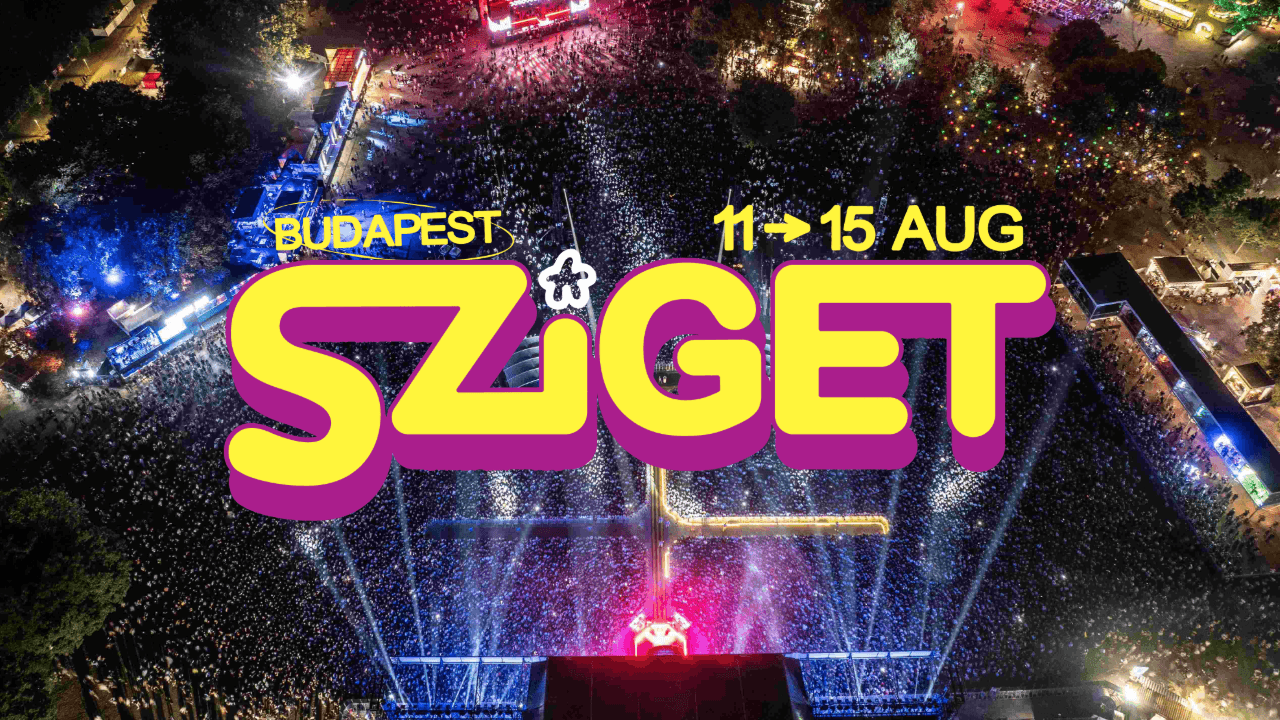
In 2026 the calendar runs all year. Sziget, one of the largest music festivals in Europe, takes over an island in the Danube for a week each August; the Budapest Spring Festival brings classical music, opera and dance to the city's great venues; and St Stephen's Day on 20 August culminates in a vast fireworks display over the river.
Top Budapest events in 2026
- See the live calendar above for confirmed 2026 dates — the listings auto-populate from the events we track for Budapest.
- Budapest Spring Festival (March–April) — the country's flagship arts festival, with classical music, opera, jazz and dance across major venues.
- Sziget Festival (August) — one of Europe's biggest music and cultural festivals, held on Óbuda Island (Hajógyári-sziget) in the Danube.
- St Stephen's Day (20 August) — Hungary's national day, marked by processions and a spectacular fireworks display over the Danube.
- Budapest Wine Festival (September) — a celebration of Hungarian wine in the grounds of Buda Castle, with tastings and live music.
- Christmas markets (late November–December) — the famous Vörösmarty Square and Basilica markets, among the most atmospheric in Europe.
What to see in Budapest — top sights
- Hungarian Parliament Building — the vast neo-Gothic riverside parliament, one of the largest in the world and the symbol of the city.
- Buda Castle — the hilltop royal palace complex overlooking the Danube, home to the National Gallery and history museum.
- Thermal baths — the grand spa houses fed by the city's hot springs, above all the neo-baroque Széchenyi Baths and the Art Nouveau Gellért Baths.
- Chain Bridge (Széchenyi Lánchíd) — the elegant 19th-century suspension bridge linking Buda and Pest, guarded by stone lions.
- Fisherman's Bastion — the fairy-tale neo-Romanesque terrace on Castle Hill, with panoramic views over Pest and the Parliament.
- St Stephen's Basilica — the city's largest church, with a dome you can climb for sweeping city views.
- The ruin bars of the Jewish Quarter — led by the legendary Szimpla Kert, atmospheric bars set in once-derelict buildings.
- Heroes' Square and City Park (Városliget) — the grand monumental square and the park beyond it, home to Vajdahunyad Castle and the Széchenyi Baths.
- The Dohány Street Synagogue — the largest synagogue in Europe, in the heart of the historic Jewish Quarter.
- Andrássy Avenue and the Hungarian State Opera House — the UNESCO-listed grand boulevard and its richly decorated opera house.
Why visit Budapest
Budapest delivers grand imperial architecture, dramatic river views and a genuinely distinctive bathing culture — soaking in the steaming outdoor pools of the Széchenyi Baths is an experience found nowhere else in Europe at this scale. The Danube panorama, from Buda Castle to the Parliament, is among the continent's great urban vistas and is UNESCO-listed in its own right.
It is also famously good value and seriously fun: the ruin bars, thermal spas, historic coffee houses and hearty Hungarian cooking make for an irresistible city break, while Sziget has put Budapest firmly on the global festival map. With cheap, efficient public transport — including continental Europe's oldest metro line — and a compact, walkable centre, Budapest punches far above its size for visitors.
FAQ
- What is there to do in Budapest in 2026?
- Year-round highlights are the Parliament, Buda Castle, the thermal baths (Széchenyi and Gellért), the Chain Bridge, Fisherman's Bastion and the ruin bars. For 2026 events, look out for the Budapest Spring Festival (March–April), the Sziget Festival in August and the St Stephen's Day fireworks on 20 August.
- When is Sziget Festival 2026?
- Sziget is traditionally held in August on Óbuda Island in the Danube. Check the official szigetfestival.com site for the confirmed 2026 dates and lineup, and book early as it is one of Europe's largest festivals.
- How do I get from Budapest airport to the city centre?
- Budapest Ferenc Liszt Airport (BUD) is about 16 km from the centre. The official 100E Airport Express bus runs directly to Deák Ferenc tér in the heart of the city in around 40 minutes, and the cheaper 200E bus connects to the M3 metro. Taxis (via the official Főtaxi rank) take 30–40 minutes.
- Which thermal bath should I visit?
- The neo-baroque Széchenyi Baths in City Park are the largest and most famous, with grand outdoor pools open year-round. The Art Nouveau Gellért Baths are the most beautiful, while the historic Rudas Baths retain original Ottoman-era pools. Bring a swimsuit and towel, or hire them on site.
- Is Budapest walkable?
- The Pest side — from the Parliament down Andrássy Avenue to the Jewish Quarter and the river — is flat and very walkable. Buda's Castle Hill is steep but compact and served by a funicular, and the historic metro, trams and buses make crossing the city quick and cheap.