Things to do in Warsaw 2026
Warsaw is a city rebuilt from the ground up — its meticulously reconstructed Old Town, a UNESCO World Heritage site, sits beside Soviet-era monuments, glass towers and one of Europe's most dynamic cultural scenes. It is a capital that has reinvented itself many times over, and the energy shows in its concerts, festivals and restaurants.
Quick answer
Warsaw is a city rebuilt from the ground up — its meticulously reconstructed Old Town, a UNESCO World Heritage site, sits beside Soviet-era monuments, glass towers and one of Europe's most dynamic cultural scenes. It is a capital that has reinvented itself many times over, and the energy shows in its concerts, festivals and restaurants.
In 2026 the calendar is led by major stadium shows: The Weeknd plays the PGE Narodowy on 4–5 August and Bad Bunny on 14 July, while the contemporary-music festival Warsaw Autumn and the Warsaw International Film Festival anchor the autumn. Come winter, the Christmas market at Plac Defilad, beneath the Palace of Culture, transforms the city centre, and the New Year's Eve gala at the Palace itself is one of Poland's biggest open-air celebrations.
Top Warsaw events in 2026
- Bad Bunny (14 Jul) — the global reggaeton superstar at the 58,000-capacity PGE Narodowy stadium.
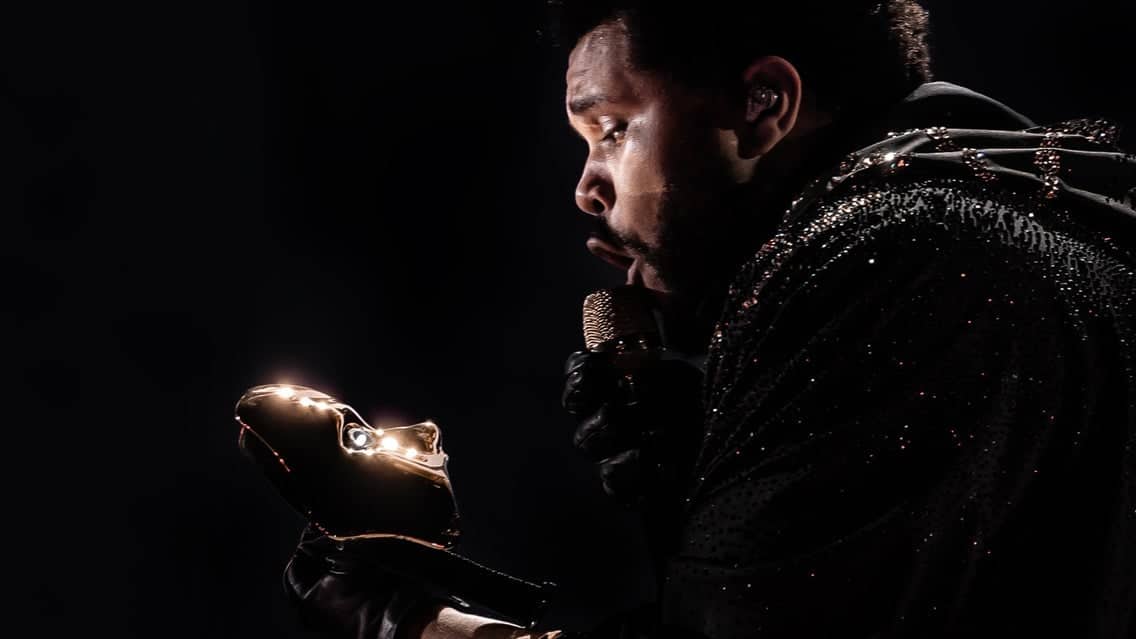
- The Weeknd (4–5 Aug) — two stadium dates at the PGE Narodowy on his world tour.
- Warsaw Autumn (19–28 Sep) — the historic international festival of contemporary classical music, running since 1956.
- Warsaw International Film Festival (9–18 Oct) — one of Central Europe's leading film festivals, an FIAPF-accredited event.
- Warsaw Christmas Market at Plac Defilad (21 Nov–3 Jan) — the central festive market beneath the Palace of Culture and Science.
- New Year's Eve Gala at the Palace of Culture (31 Dec) — a large open-air concert and countdown in the heart of the city.
What to see in Warsaw — top sights
- Old Town (Stare Miasto) — the UNESCO-listed historic core, painstakingly rebuilt after WWII, centred on the colourful Market Square and the Royal Castle.
- Palace of Culture and Science — the towering 1955 landmark with a 30th-floor observation terrace giving the best panorama over the city.
- Royal Castle (Zamek Królewski) — the reconstructed former residence of Polish monarchs, now a museum of state rooms and art.
- Łazienki Park — Warsaw's grandest park, home to the Palace on the Isle, peacocks and free Sunday Chopin concerts in summer.
- Wilanów Palace — the baroque "Polish Versailles" on the city's southern edge, with formal gardens and a famous winter light show.
- POLIN Museum of the History of Polish Jews — an award-winning museum on the site of the former Warsaw Ghetto.
- Warsaw Rising Museum — a powerful, immersive museum dedicated to the 1944 Warsaw Uprising.
- Royal Route (Krakowskie Przedmieście) — the elegant boulevard linking the Old Town to Łazienki, lined with churches, palaces and the university.
- Vistula Boulevards — the revitalised riverbank with bars, beaches and the Copernicus Science Centre on the water's edge.
- Praga district — the gritty, creative east-bank quarter full of street art, courtyards, galleries and craft breweries.
Why visit Warsaw
Warsaw rewards visitors who look beyond the obvious. The reconstructed Old Town is genuinely moving when you understand it was rebuilt brick by brick from rubble, and the contrast with the gleaming downtown skyline and the bohemian Praga district makes the city feel layered and alive. Its museums — POLIN, the Warsaw Rising Museum, the Copernicus Science Centre — are among the best in Central Europe.
It is also superb value and increasingly cosmopolitan: the restaurant and bar scene around Nowy Świat, Plac Zbawiciela and the Vistula boulevards rivals far pricier capitals, and the city's parks, especially Łazienki and Wilanów, give it green breathing space. Add excellent public transport and direct flights across Europe, and Warsaw makes a rewarding, underrated city break.
FAQ
- What is there to do in Warsaw in 2026?
- The headline 2026 events are The Weeknd (4–5 August) and Bad Bunny (14 July) at the PGE Narodowy, Warsaw Autumn (September), the Warsaw International Film Festival (October) and the Plac Defilad Christmas market (from late November). Year-round, the Old Town, Palace of Culture, Łazienki Park and the POLIN and Warsaw Rising museums are unmissable.
- When are the big concerts in Warsaw?
- The biggest stadium concerts are held at the PGE Narodowy in summer — in 2026 Bad Bunny plays on 14 July and The Weeknd on 4–5 August. Confirm exact dates and tickets on the official tour and venue websites.
- How do I get from Warsaw airport to the city centre?
- Warsaw Chopin Airport (WAW) is about 10 km from the centre and connected by the S2/S3 trains and city buses in 20–25 minutes. Modlin Airport (WMI), used by some low-cost carriers, is further out and served by a dedicated bus-and-train link.
- Is Warsaw walkable?
- The Old Town, Royal Route and central districts are very walkable, and the riverside boulevards are pleasant on foot. For longer distances, Warsaw has an efficient metro, tram and bus network with a single integrated ticket.
- What is the Palace of Culture and Science?
- It is Warsaw's tallest and most recognisable building, a 1955 gift from the Soviet Union now housing theatres, cinemas and museums. Its 30th-floor terrace offers the best view of the city, and Plac Defilad at its foot hosts the central Christmas market and the New Year's Eve gala.