Christmas in Italy 2026: markets, presepi and the festive season
Share
Reviewed by Wanderistan editorial team · Last updated Aug 6, 2026
The Italian festive season has firm bookends. It opens on 8 December, the Immacolata, a public holiday and the traditional day the tree and the nativity scene go up. It closes on 6 January, Epiphany, when the Befana leaves sweets for children who behaved and coal for those who did not, and the decorations come down.
On this page
Quick answer
Between those two dates the country runs two quite different Christmases. The Alpine north — Trentino and South Tyrol — has a market culture with far more in common with Austria and Bavaria than with Rome: wooden stalls, mulled wine, a bilingual German-and-Italian street. Everywhere else, the centre of gravity is the presepe, the nativity scene, built at home, in churches and in whole squares.
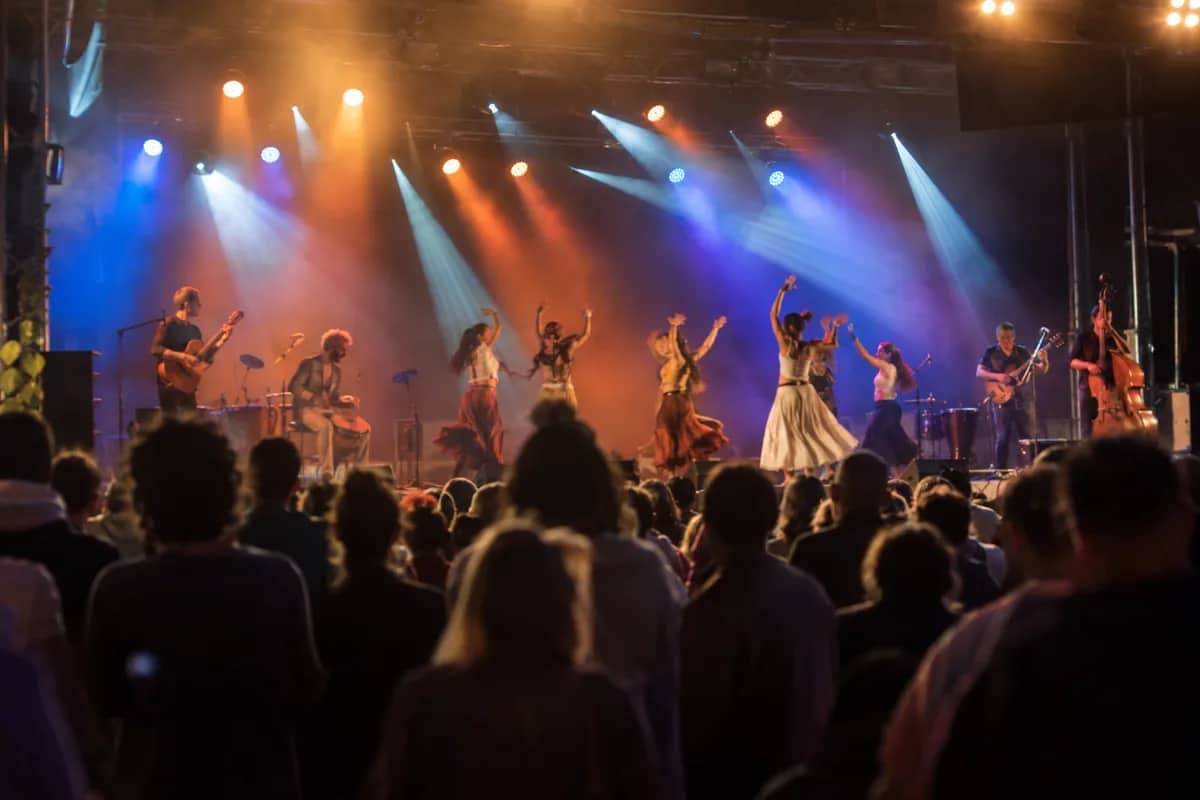
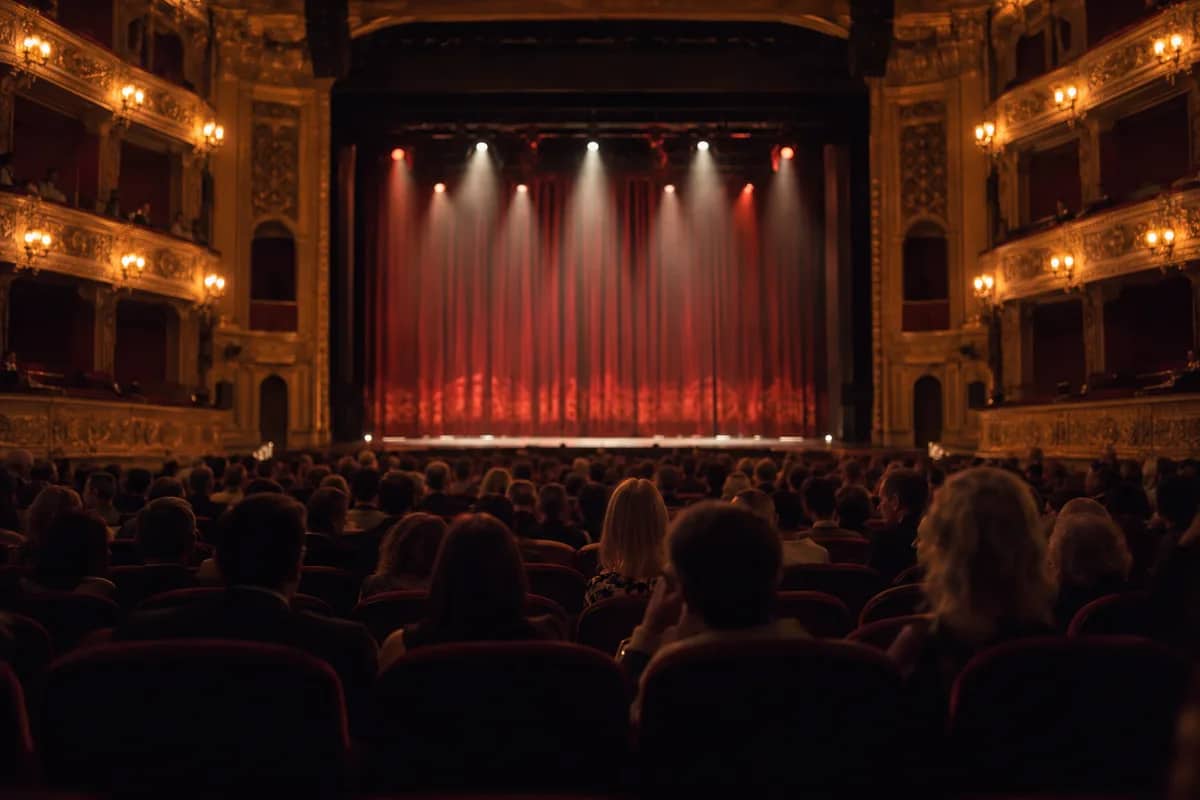
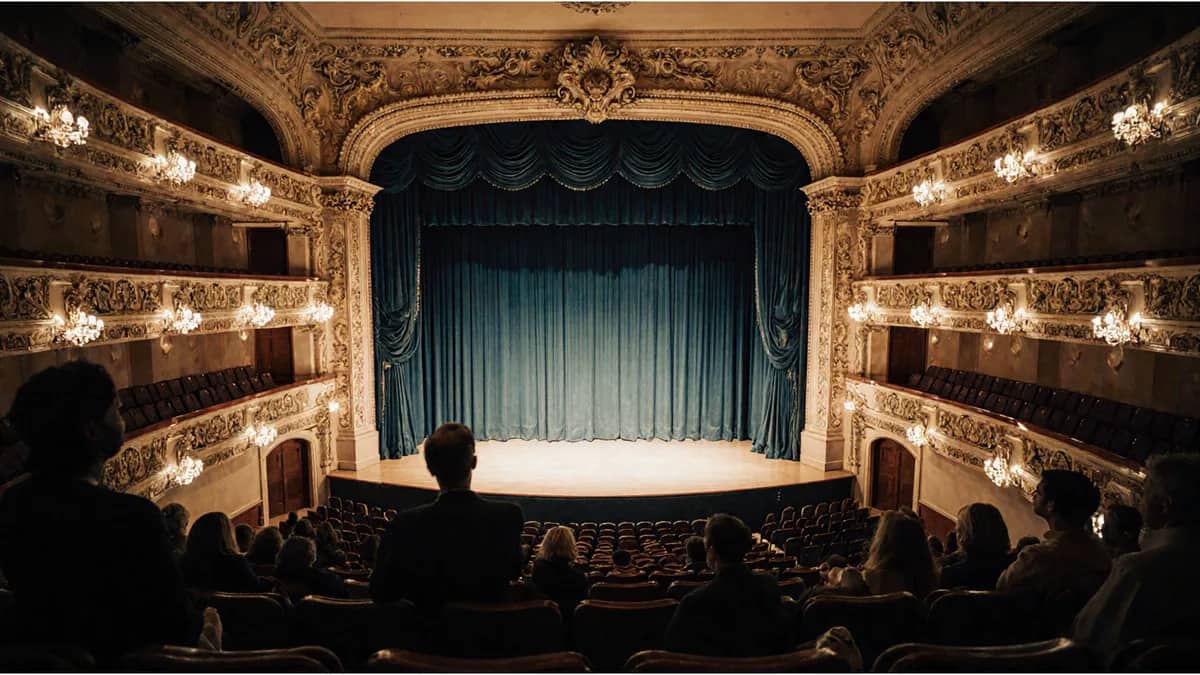
On top of both sits the busiest stretch of the indoor concert and theatre season. The listings below fill in with the festive events across Italy as they are confirmed.
The season, date by date
- 8 December — Immacolata Concezione. A national public holiday, and the day the season formally starts: trees go up, nativity scenes are set out, markets are open.
- 13 December — Santa Lucia. Not a national holiday, but in parts of the north and north-east (Verona, Brescia, Bergamo, Trento, Udine) it is Lucia, not Father Christmas, who brings the presents.
- 24 December — La Vigilia. Christmas Eve dinner, traditionally fish rather than meat, and the reason restaurants are booked out weeks ahead.
- 25 December — Natale. National public holiday. Almost everything closes.
- 26 December — Santo Stefano. Also a national public holiday, but a much more open one: many museums, restaurants and attractions run normally.
- 31 December — San Silvestro, then Capodanno on 1 January, another national public holiday.
- 6 January — Epifania. National public holiday, the Befana, and the end of the season.
The Alpine markets: Trentino and South Tyrol
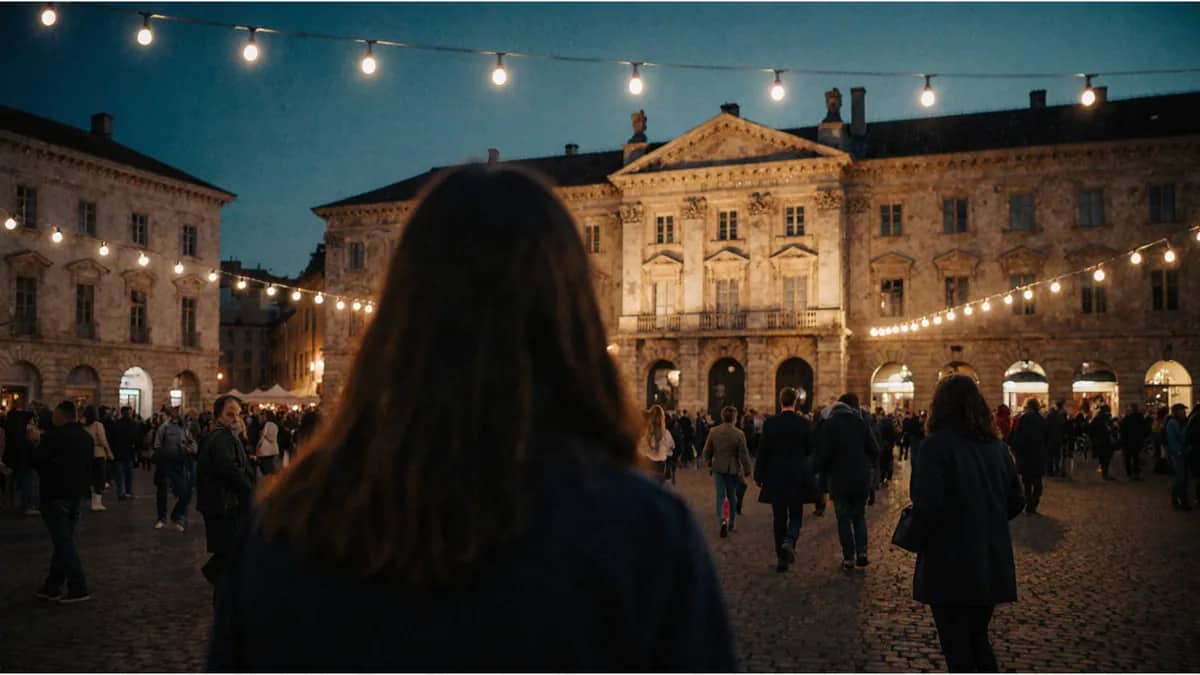
South Tyrol (Alto Adige / Südtirol) is officially bilingual and its Christmas markets read that way — German-language traditions running under Italian administration, with signage, food and carols in both. Bolzano holds its market on Piazza Walther in front of the cathedral. Merano sets its stalls along the promenade beside the Passer river, which gives it the prettiest setting of the group. Bressanone and Brunico run their own, smaller versions. Just south, in Trentino, Trento spreads a market across the squares of its historic centre.
What is on sale is consistent across all of them: wooden decorations, felt and glass, local speciality food, and a lot of mulled wine — vin brulé on the Italian side of the menu, Glühwein on the German. Expect strudel, Zelten fruit bread and speck rather than anything you would find at a market in Naples.
Opening dates are set fresh by each organiser every year, generally somewhere in the second half of November through to around Epiphany. This guide deliberately does not give them — confirm on the market's own site before you book travel around a specific weekend.
The presepe: the tradition the rest of Italy runs on
The presepe is the nativity scene, and in most of Italy it matters more than the tree. Tradition traces the first one to Greccio in Lazio in the thirteenth century, and the form has been expanding ever since — from a manger and a few figures to elaborate constructions with running water, working lights and dozens of side characters who have nothing to do with the nativity at all.
Naples is where it became an art form. The workshops along Via San Gregorio Armeno in the old centre make and sell presepe figures year-round, and in December the street becomes almost impassable. Elsewhere, villages across the country stage presepi viventi — living nativities, with residents in costume across a whole hillside or old quarter — and churches in every city put out scenes worth walking in to see.
In Rome, the Vatican sets a tree and a large nativity scene in St Peter's Square for the season, and the churches of the historic centre each put out their own.
Christmas in the big cities
| City | What the season looks like |
|---|---|
| Milan | Sant'Ambrogio on 7 December is the city's patron feast and the real start of its Christmas — the Oh Bej! Oh Bej! street fair clusters around it, and the opera season traditionally opens the same evening. The indoor concert and theatre programme runs at full strength through the month. |
| Rome | Nativity scenes in churches across the centre, the Vatican tree and crib in St Peter's Square, and a busy December concert calendar. Mild enough to walk the whole season outdoors. |
| Naples | The presepe workshops of Via San Gregorio Armeno at their peak, and a Christmas Eve fish dinner tradition taken more seriously here than almost anywhere. |
| Turin | Arcaded streets that make December shopping genuinely pleasant in the rain, winter light installations through the centre, and a theatre season at its densest point of the year. |
| Bolzano and Merano | The Alpine market experience proper — bilingual, wooden-stalled, mulled-wine-driven, and set against mountains rather than a piazza. |
| Trento | A smaller, less crowded version of the South Tyrol markets, spread across the squares of a compact historic centre. |
What is actually open over the holidays
- 25 December and 1 January: most shops, museums and public offices close. Restaurants that do open are booked out — reserve rather than turn up.
- 26 December (Santo Stefano): far more open than the day before. Many museums and attractions run normal or holiday hours.
- 8 December: a full public holiday, but shops in city centres and tourist areas usually trade, and the markets are open.
- Public transport runs holiday timetables on all of the above, which in practice means a Sunday service or thinner.
- Museums commonly close one day a week on top of the holidays — most often Monday. Check the individual museum, not a general rule.
FAQ
- Where are the best Christmas markets in Italy?
- The Alpine north: Bolzano and Merano in South Tyrol and Trento in Trentino run the largest and most established markets, with Bressanone and Brunico as smaller alternatives. They are closer in style to Austrian and Bavarian markets than to anything in central or southern Italy.
- When does the Christmas season start in Italy?
- On 8 December, the Immacolata — a national public holiday and the traditional day for putting up the tree and the nativity scene. The Alpine markets generally open earlier, in the second half of November, but 8 December is when the country as a whole switches over.
- When does Christmas end in Italy?
- On 6 January, Epiphany. The Befana — an old woman on a broomstick — brings sweets or coal to children overnight, and the decorations come down afterwards. It is a national public holiday.
- What is a presepe?
- A nativity scene. In most of Italy it is the central Christmas decoration, more important than the tree, and it ranges from a small crib in a church to elaborate constructions with moving parts. Naples is the traditional centre of presepe craftsmanship, with a whole street of workshops in the old town.
- Is anything open in Italy on Christmas Day?
- Very little. Most shops, museums and offices close on 25 December, and transport runs a holiday timetable. Boxing Day, Santo Stefano on 26 December, is a public holiday too but a far more open one — many museums and restaurants operate normally.