 🎟️ 2PragueHistoric architecture and castle sightseeing; beer and pub culture; weekend city breaks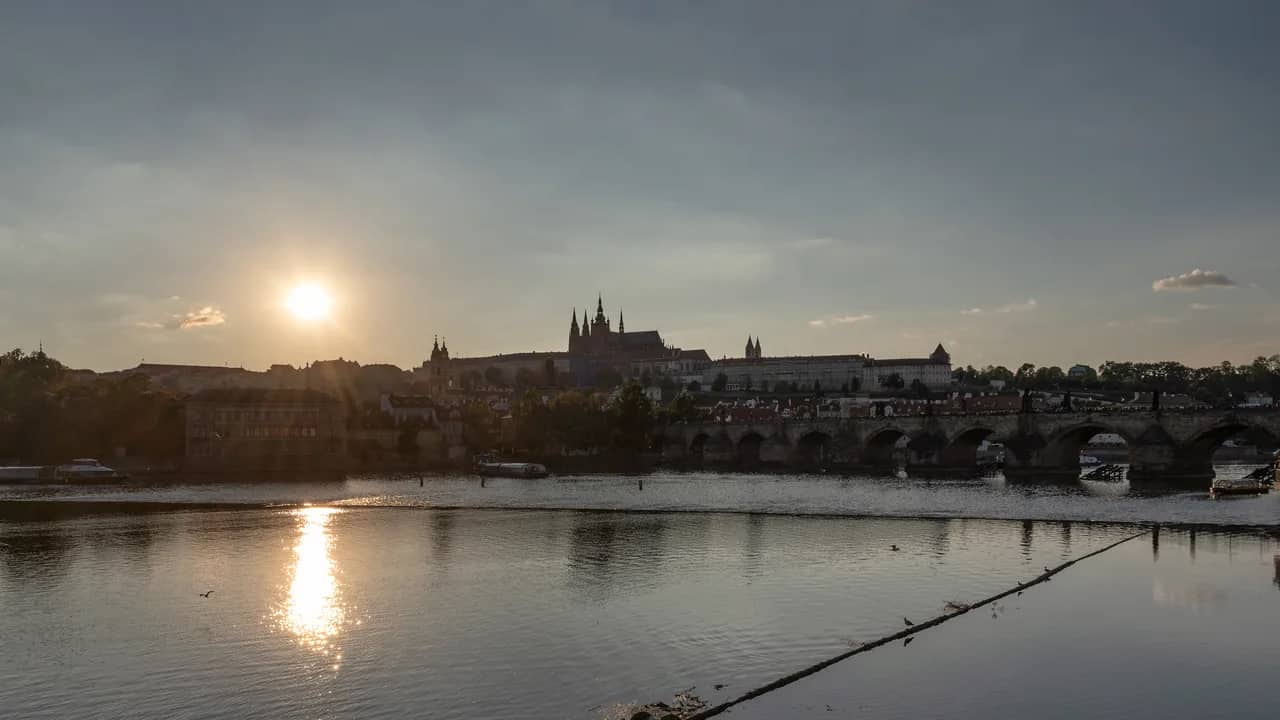
Czechia
Unforgettable events in Czechia.
Search by mood, city or date — from major festivals to easy plans nearby.
Flexible travel dates
Sat, Sep 12 – Sun, Sep 13
Useful today
Top cities in Czechia
View all →


What's on near you

Public holidays
- — Den české státnosti
- — Den vzniku samostatného československého státu
- — Den boje za svobodu a demokracii a Mezinárodní den studentstva
- — Štědrý den
Source: Nager.Date · Last checked Sep 12, 2026
Festivals in Czechia
Czechia travel guides
Planning around events? These guides collect 2026 calendars, festival clusters, and practical trip ideas so you can compare dates before you book.
Explore more countries
Cities, festivals and travel ideas


Discover Czechia
Czechia is a landlocked country of three historic lands: Bohemia in the west, Moravia in the east and Czech Silesia along the northeastern border with Poland. Low, forested mountain ranges run along much of the frontier, the Vltava and the Elbe drain Bohemia while the Morava carries the east towards the Danube, and castles and chateaux stand on hills throughout. Bohemia is beer country — pale pilsner lager was first brewed here — while Moravia holds nearly all the vineyards.
The cities differ sharply. Prague layers Gothic, baroque and art nouveau along a bend of the Vltava beneath its castle. Brno, the Moravian capital, is a university city known for interwar functionalism. Ostrava grew on coal and steel, and its preserved ironworks anchor its cultural life. Karlovy Vary is a spa town of colonnades in a wooded valley; Český Krumlov, a medieval street plan inside a loop of the Vltava.
Top places in Czechia
- Prague — Prague Castle and St Vitus Cathedral above the Vltava, Charles Bridge, the Old Town astronomical clock and a UNESCO historic centre.
- Český Krumlov — A UNESCO old town inside a tight loop of the Vltava, below a castle with a round tower and a preserved baroque theatre.
- Karlovy Vary — Hot springs and colonnades in a wooded Bohemian valley, part of the UNESCO Great Spa Towns of Europe and host of a long-running film festival.
- Brno — The Moravian capital: Špilberk fortress, the Petrov cathedral hill, interwar functionalist architecture and the UNESCO-listed Villa Tugendhat.
- Moravian Karst — Limestone caves and gorges north of Brno, including the Punkva Caves and the Macocha Abyss, a sinkhole open to the sky.
- Ostrava — Regional capital of the northeast, built on coal and steel; its preserved ironworks and mine headframes now form a cultural and heritage quarter.